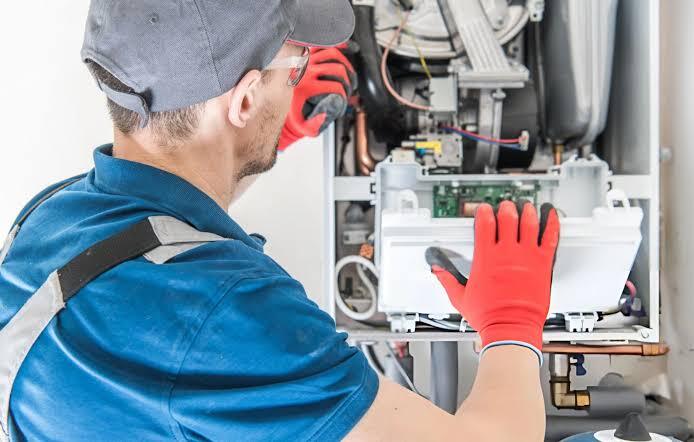
A comfortable indoor environment depends on heating, ventilation, and air conditioning systems that operate properly throughout the year. In Grapevine, Texas, changing seasonal temperatures can place different demands on residential and commercial HVAC equipment. Regular inspections, timely repairs, and appropriate maintenance help property owners keep their systems functioning as expected. Texas Air Mechanics can help customers explore HVAC solutions that support indoor comfort, reliable operation, and efficient temperature control.
An HVAC system includes several interconnected components that influence overall performance. Air filters, thermostats, electrical connections, refrigerant components, and ductwork can all affect how effectively conditioned air reaches different rooms. When one component develops a problem, the entire system may experience reduced performance. Understanding these factors allows homeowners and business operators to recognize potential concerns and seek professional assistance before minor issues become more disruptive.
Choosing HVAC Service Grapevine TX for Your Property
Finding dependable HVAC service Grapevine TX begins with identifying the specific needs of your property. Some customers require assistance with an air conditioner that no longer cools effectively, while others need routine maintenance or help diagnosing inconsistent indoor temperatures. A professional assessment can help identify the underlying cause and determine the most appropriate solution. This approach avoids unnecessary guesswork and allows property owners to make informed decisions about their heating and cooling equipment.
Texas Air Mechanics provides a relevant starting point for customers exploring HVAC solutions in Grapevine. When evaluating a service provider, consider experience, communication, the scope of work, and the clarity of any recommendations. A reliable technician should explain the observed problem, discuss available options, and outline any necessary repairs. Understanding the proposed work before authorizing service can make the process easier and help you plan for future equipment care.
Common Signs Your HVAC System Needs Attention
Heating and cooling equipment may show several warning signs when something is not working correctly. Weak airflow, unusual noises, inconsistent room temperatures, and unexpected increases in utility bills can indicate a developing problem. Some issues may involve a clogged filter or thermostat settings, while others require a closer inspection of internal components. Paying attention to changes in system performance can help property owners recognize when professional evaluation is appropriate.
Another common concern is equipment that starts and stops frequently or struggles to maintain the selected temperature. These symptoms may be associated with airflow restrictions, electrical faults, refrigerant problems, or incorrect system sizing. The cause cannot always be identified through observation alone, so a qualified technician should inspect the equipment when the problem persists. Prompt attention may help limit additional strain and restore normal operation when a repair is possible.
Benefits of Routine Heating and Cooling Maintenance
Regular maintenance helps keep HVAC equipment in suitable operating condition. During an inspection, a technician may examine electrical connections, evaluate airflow, check condensate drainage, and assess the condition of important components. The exact procedures depend on the system type, its age, and the manufacturer's recommendations. Identifying worn parts or developing faults early can help property owners plan repairs before equipment problems interfere with daily routines.
Maintenance also provides an opportunity to review the way the system is being used. Replacing filters at appropriate intervals, keeping outdoor equipment clear of debris, and using sensible thermostat settings can support normal operation. These simple steps are particularly useful during periods of heavy cooling or heating demand. Although routine servicing cannot guarantee that breakdowns will never occur, it can help identify concerns and support more consistent equipment performance over time.
Improving Indoor Comfort and Airflow
Indoor comfort involves more than selecting a preferred temperature on the thermostat. Airflow, humidity, insulation, ventilation, and the condition of the duct system can all influence how a room feels. If one area remains warm while another becomes excessively cold, the issue may involve blocked vents, duct leakage, airflow imbalance, or equipment limitations. Understanding these possibilities can help property owners focus on the source of the problem instead of relying on repeated thermostat adjustments.
Professional HVAC service can help determine whether the equipment and air distribution system are working together effectively. Depending on the findings, improvements might involve filter replacement, duct inspection, thermostat adjustments, or repairs to specific components. Proper ventilation and suitable filtration may also contribute to a more comfortable indoor environment. The best approach depends on the building's layout, existing equipment, and the concerns reported by its occupants.
HVAC Repairs for Residential and Commercial Properties
Residential HVAC problems can affect sleep, daily activities, and overall comfort, especially during periods of extreme weather. A malfunctioning air conditioner may leave bedrooms uncomfortable, while a heating issue can make indoor spaces difficult to use during colder conditions. Identifying the cause and arranging appropriate repairs helps households restore normal conditions. Homeowners should describe any unusual sounds, operating changes, or error messages when contacting a service provider.
At Texas Air Mechanics, Commercial properties have additional considerations because temperature problems can affect employees, customers, equipment, and business operations. Offices, retail spaces, and other facilities may require different equipment configurations and maintenance schedules. A service plan should reflect the building's occupancy, operating hours, and cooling or heating requirements. Clear communication about the affected areas and the system's symptoms can help technicians assess the situation more efficiently and recommend suitable next steps.
Understanding HVAC Efficiency and Energy Use
Heating and cooling equipment can account for a substantial portion of a property's energy consumption, particularly when systems operate for long periods. Poor airflow, dirty filters, neglected maintenance, and inefficient equipment may increase the effort required to maintain indoor comfort. Reviewing these factors can help property owners identify practical opportunities to improve system performance. However, higher energy bills may also result from weather changes, increased occupancy, or changes in electricity rates.
There are several ways to manage energy use without making the property uncomfortable. Keeping filters clean, sealing air leaks, maintaining suitable insulation, and using a programmable thermostat can help reduce unnecessary heating and cooling demands. When equipment is older or frequently requires repairs, comparing replacement options may also be worthwhile. An HVAC professional can explain the potential benefits of different systems while considering installation costs, efficiency ratings, and the property's actual requirements.
When to Consider HVAC Replacement
Repairing an existing system may be practical when the problem is limited and the equipment remains in good condition. However, repeated breakdowns, declining performance, and increasingly expensive repairs can make replacement worth evaluating. The age of the equipment, availability of replacement parts, and expected future maintenance costs should all be considered. Comparing these factors provides a clearer picture of whether continued repairs or a new system makes better financial sense.
A replacement decision should also account for the property's current heating and cooling needs. Changes to room layouts, insulation, windows, or occupancy may affect the capacity required from a new unit. Professional load calculations can help determine suitable equipment rather than simply selecting a model based on the size of the previous system. Proper installation, compatible controls, and appropriate airflow are essential considerations when planning an upgrade.
Preparing for an HVAC Service Appointment
A little preparation can make a service visit more productive. Before the appointment, note when the problem started, whether it occurs continuously or occasionally, and which rooms are affected. Mention any unusual sounds, thermostat messages, recent repairs, or changes in energy use. These details may help the technician understand the symptoms and determine which components require closer inspection.
Property owners should also provide safe and convenient access to the thermostat, indoor equipment, and outdoor unit. Keep pets away from the work area and move objects that obstruct access to service panels. Avoid opening electrical compartments or attempting repairs involving refrigerant, wiring, or moving components. If the system produces a burning smell or shows signs of an electrical problem, stop using it when safe to do so and seek qualified assistance.
What to Look for in an HVAC Service Provider
Choosing an HVAC contractor involves more than comparing the lowest quoted price. Customers should look for clear explanations, relevant experience, appropriate licensing where required, and written details about the proposed work. It is also useful to ask whether diagnostic fees, replacement parts, labor, and follow-up visits are included in the estimate. Understanding these details beforehand can reduce confusion and help property owners compare services fairly.
Good communication is equally important throughout the repair or maintenance process. A service provider should explain the findings in understandable language and distinguish between necessary repairs and optional improvements. Customers should have an opportunity to ask questions about expected performance, warranty conditions, and future maintenance. Taking time to evaluate these factors can help you choose a service arrangement that fits your property's needs and your budget.
Conclusion
Reliable heating and cooling equipment plays an important role in maintaining a comfortable home or workplace. Regular maintenance, timely repairs, proper airflow, and informed equipment decisions can all contribute to better HVAC performance. By recognizing early warning signs and addressing developing problems, property owners can make practical decisions about their systems and reduce avoidable disruptions.
For customers searching for HVAC service Grapevine TX, Texas Air Mechanics is a relevant option to explore when researching heating and cooling assistance. Consider the condition of your equipment, the symptoms you have noticed, and the maintenance required to keep the system operating properly. With careful planning and professional attention, homeowners and businesses can work toward dependable indoor comfort throughout the year.


 Search in Members
 Search in Members
 Search in Albums
 Search in Photos
 Search in Blog
 Search in Businesses
 Search in Contests
 Search in Events
 Search in Groups
 Search in Music Albums
 Search in Music Songs
 Search in Pages
 Search in Questions
 Search in Quotes
 Search in Site Team
 Search in Recepies
 Search in Thoughts
 Search in Videos
 Search in Channels
 Search in Wishes
 Search in Prayers