Search in Members
Search in Members
Search in Albums
Search in Photos
Search in Blog
Search in Businesses
Search in Contests
Search in Events
Search in Groups
Search in Music Albums
Search in Music Songs
Search in Pages
Search in Questions
Search in Quotes
Search in Site Team
Search in Recepies
Search in Thoughts
Search in Videos
Search in Channels
Search in Wishes
Search in Prayers
6 minutes, 49 seconds
-12 Views 0 Comments 0 Likes 0 Reviews
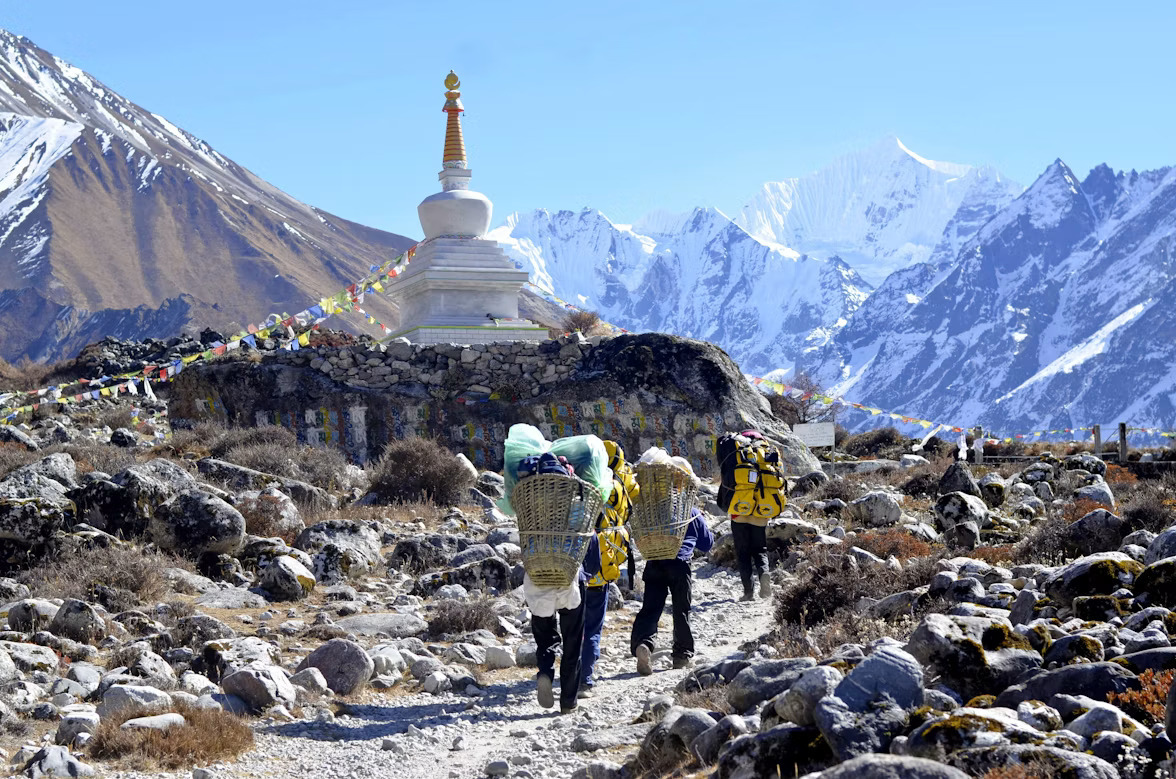
A grandmother pours you tea in her smoky kitchen. Her hands are rough from years of farm work. Outside, a child chases a goat past a wooden prayer wheel. Beyond the rooftops, snow peaks glow orange in the evening light. You are not watching this culture from a bus window. You are sitting inside it. This is the Langtang Tamang Heritage Trek, and it feels less like a holiday and more like being adopted.
Who Are the Tamang People?
The Tamang are one of Nepal's largest ethnic groups. Their roots trace back to Tibet, and their culture still shows it clearly.
They follow Tibetan Buddhism. They speak their own language. Their homes have carved wooden windows and flat stone roofs.
The word "Tamang" is often linked to horse traders. Long ago, these families moved goods across high Himalayan passes.
Today they farm, herd, and welcome the few trekkers who find their villages.
A Trail Built for Culture, Not Altitude
Most Nepal treks chase height. This one chases heart.
You will not cross a 5,000-meter pass. You will not need crampons or oxygen.
Instead, you walk from village to village. You sleep in family homes. You eat what the family eats.
The mountains are still there, huge and beautiful. But the people are the real attraction.
The Numbers You Should Know
The Tamang Heritage Trek usually takes 7 to 10 days from Kathmandu. Shorter loops can finish in 5 or 6 days.
The total walking distance is about 60 to 70 kilometers.
The highest point is Nagthali at 3,165 meters, or 10,384 feet. Some routes add Gosaikunda or Langtang Valley, which go higher.
You start at Syabrubesi, around 1,460 meters. Most days involve four to six hours of walking.
Getting there is easy. A jeep or bus from Kathmandu takes about six to seven hours. No domestic flight is needed.
Homestays That Change Everything
This is the part travelers remember forever.
Many villages here run community homestays. You sleep in a real family home, not a lodge built for tourists.
Dinner is cooked over a wood fire. You eat dal bhat with the family, sitting on the kitchen floor.
Some evenings include local dance and songs. Someone may pour you a cup of homemade raksi, the local spirit.
Your money goes straight to the household. That matters here, where jobs are few.
Tatopani: The Reward You Earn
Tatopani means "hot water" in Nepali.
The village has natural hot springs bubbling out of the hillside. Locals have used them for generations.
After days of walking, you sink into the warm water and feel every ache melt away.
Many trekkers call this their favorite stop on the whole trail.
Sunrise From Nagthali
Nagthali is the high point of the trek, both in height and in beauty.
It was once a meditation spot for local monks. You can still feel that quiet up there.
At sunrise, Langtang Lirung glows first at 7,227 meters. Ganesh Himal follows. On clear mornings, you can even see peaks across the border in Tibet.
There are no crowds. Often it is just you, your guide, and the light.
A Region That Rebuilt Itself
The 2015 earthquake hit this area hard. Homes fell. Families lost everything.
The Tamang villages rebuilt slowly, stone by stone. Many homestays exist today because families chose to open their doors to visitors.
When you trek here, you are part of that recovery. Locals will thank you for coming, and they truly mean it.
Trekking With Nepal Social Treks and Expedition
A good guide unlocks the culture on this trail.
Nepal Social Treks and Expedition organizes guided Tamang Heritage treks from Kathmandu. Their packages usually include licensed guides, porters, Langtang National Park permits, TIMS cards, homestay or teahouse lodging, meals, and ground transport.
Their guides speak the local language and know the families personally. That opens doors a solo traveler would walk right past.
The company runs other trips too, including Langtang Valley, Gosaikunda, Everest Base Camp, and peak climbing. Contact them for current dates and prices, since homestay availability changes by season.
Best Time to Go
Autumn, from October to November, brings clear skies and festival season.
Spring, from March to May, fills the hills with rhododendron blooms.
Winter is cold but quiet, with snow on the higher ridges. Monsoon brings rain, mud, and leeches.
Who Can Do This Trek?
Almost anyone with normal fitness. There are no technical sections.
Children and older travelers complete it every year.
Bring good boots, warm layers, and a rain jacket. Add a small gift for host families if you like, such as school supplies.
Why It Stays With You
Ask returning trekkers what they remember most.
Few mention the altitude or the distance.
They talk about the grandmother who refilled their tea three times. The children who walked them to the village edge. The night they danced badly and everyone laughed together.
Mountains are everywhere in Nepal. This trek gives you something rarer: real human connection.
Choose a test user to login and take a site tour.
Lorem Ipsum is simply dummy text of the printing and typesetting industry.
Lorem Ipsum is simply dummy text of the printing and typesetting industry. Lorem Ipsum has been the industry's standard dummy text ever since the 1500s.