Search in Members
Search in Members
Search in Albums
Search in Photos
Search in Blog
Search in Businesses
Search in Contests
Search in Events
Search in Groups
Search in Music Albums
Search in Music Songs
Search in Pages
Search in Questions
Search in Quotes
Search in Site Team
Search in Recepies
Search in Thoughts
Search in Videos
Search in Channels
Search in Wishes
Search in Prayers
7 minutes, 49 seconds
-17 Views 0 Comments 0 Likes 0 Reviews
In today’s highly connected digital world, the demand for faster, more stable, and secure communication networks is constantly increasing. fiber optic cable infrastructure has become the foundation of modern telecommunications because it delivers ultra-fast data transmission, high reliability, and long-distance connectivity without significant signal loss. Unlike traditional copper wiring, fiber optic systems use light signals to transfer information, allowing businesses, governments, and service providers to build powerful networks capable of handling massive data loads. As industries continue adopting cloud computing, IoT systems, artificial intelligence, and remote operations, the importance of fiber optic cable infrastructure continues to grow as a critical component of global digital transformation.
Fiber optic cable infrastructure refers to the physical network of fiber cables, connectors, switches, and supporting hardware that enables high-speed data transmission using light pulses. These cables are made of extremely thin strands of glass or plastic that carry data at nearly the speed of light. A well-designed fiber optic cable infrastructure allows organizations to transmit large volumes of data over long distances with minimal delay or degradation. This makes it ideal for internet service providers, enterprise networks, data centers, and smart city projects where consistent performance is essential. Compared to traditional copper-based systems, fiber networks offer significantly higher bandwidth and reduced interference, making them the preferred choice for modern communication systems.
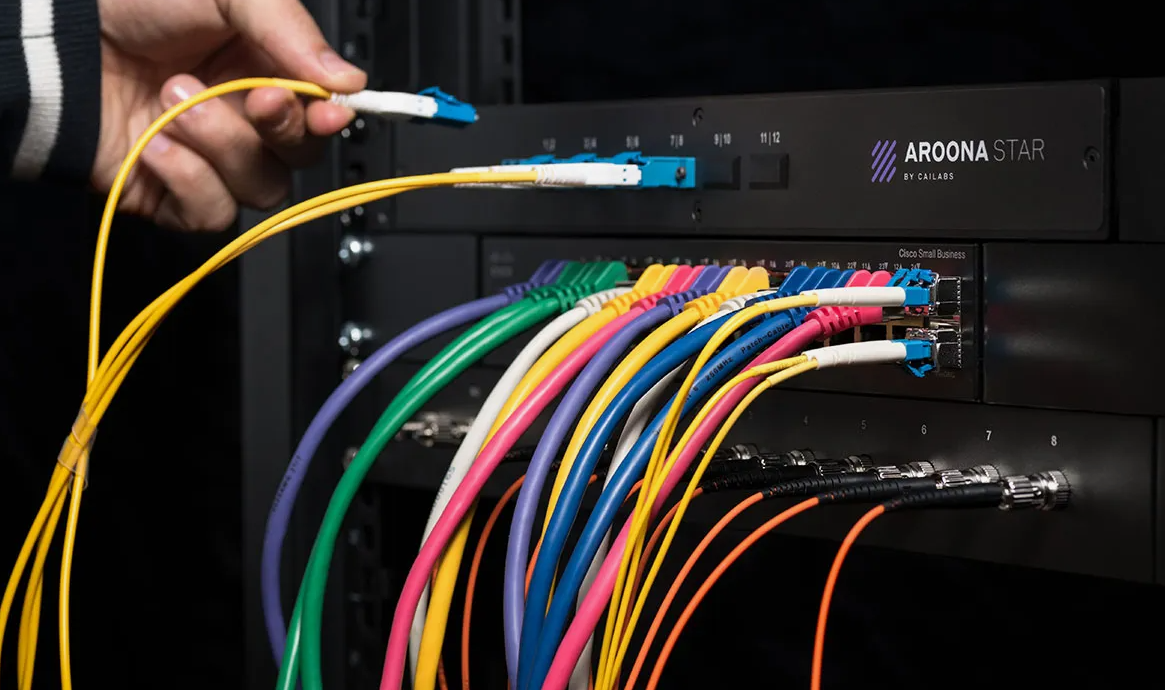
A complete fiber optic system consists of multiple interconnected components that work together to ensure smooth and efficient data transmission. These include optical fibers, protective cabling, transmitters, receivers, optical amplifiers, and distribution panels. Each element plays a crucial role in maintaining the performance and reliability of fiber optic cable infrastructure. Optical fibers carry the light signals, while transmitters convert electrical signals into optical signals. Receivers then convert the light signals back into usable data. Supporting hardware such as patch panels and enclosures helps organize and protect the network. When properly installed and maintained, these components ensure long-term stability and optimal performance across the entire communication system.
One of the biggest advantages of fiber optic networks is their exceptional speed. fiber optic cable infrastructure supports extremely high bandwidth, allowing businesses to transfer large files, stream high-definition content, and operate cloud-based applications without interruptions. Another major benefit is its reliability, as fiber optic cables are resistant to electromagnetic interference, weather conditions, and signal degradation. This ensures consistent performance even in challenging environments. Additionally, fiber optic systems offer enhanced security because intercepting data transmitted through light signals is significantly more difficult compared to traditional copper networks. These advantages make fiber optics the preferred solution for organizations that require stable, secure, and high-performance connectivity.
The use of fiber optic infrastructure extends across nearly every major industry. Telecommunications companies rely heavily on fiber optic cable infrastructure to deliver internet, television, and voice services to millions of users. Data centers depend on fiber networks to manage massive amounts of information with speed and efficiency. In healthcare, fiber optics enable telemedicine, digital imaging, and secure patient data transmission. Educational institutions use fiber networks to support online learning platforms and research systems. Financial institutions rely on high-speed connections for real-time transactions and data security. Even transportation systems, smart cities, and government agencies utilize fiber optic technology to ensure seamless communication and operational efficiency.
Modern businesses are increasingly dependent on digital tools, cloud platforms, and real-time communication systems. As a result, traditional networking solutions often fail to meet growing bandwidth and performance requirements. fiber optic cable infrastructure provides a scalable solution that can easily adapt to increasing data demands without requiring major system overhauls. This scalability makes it ideal for growing enterprises that need long-term network reliability. Businesses also benefit from reduced downtime, faster data access, and improved collaboration between teams located in different regions. As digital transformation continues to expand, fiber optic networks are becoming a strategic investment for long-term success.
Building a reliable fiber optic network requires careful planning, professional installation, and ongoing maintenance. Proper design ensures optimal signal strength, efficient routing, and minimal loss. Skilled technicians must handle cable installation to avoid damage to the delicate fiber strands. Once deployed, regular inspections and maintenance help ensure that fiber optic cable infrastructure continues to perform efficiently. This includes monitoring signal quality, checking physical connections, and upgrading components when necessary. Organizations that invest in high-quality installation and maintenance benefit from longer network lifespan and fewer operational disruptions.
The future of global connectivity relies heavily on continuous advancements in fiber optic technology. As demand for faster internet speeds, cloud computing, and real-time data processing increases, fiber optic cable infrastructure will play an even more important role in supporting next-generation technologies. Innovations such as 5G networks, artificial intelligence, smart cities, and autonomous systems all depend on robust fiber optic backbones. Ongoing research and development in fiber technology are expected to deliver even higher speeds, improved efficiency, and greater capacity, ensuring that fiber optics remain at the core of global communication systems for decades to come.
In an increasingly digital world, fiber optic cable infrastructure stands as the foundation of modern communication and connectivity. Its unmatched speed, reliability, scalability, and security make it essential for businesses, governments, and industries worldwide. Whether supporting telecommunications, healthcare, education, finance, or data centers, fiber optic networks deliver the performance required for today’s high-demand applications. As technology continues to evolve, investing in fiber optic cable infrastructure is not just a choice but a necessity for building a faster, more connected, and more efficient future.
Choose a test user to login and take a site tour.
Lorem Ipsum is simply dummy text of the printing and typesetting industry.
Lorem Ipsum is simply dummy text of the printing and typesetting industry. Lorem Ipsum has been the industry's standard dummy text ever since the 1500s.