Open

About User

Question Asked: 1

Answer Given: 1

0
  • Open
  • New

Integrating Modern Technology into Traditional Woodwork

The amount of technology required to run a modern household has expanded exponentially over the last decade. We rely on smart screens for recipes, charging stations for multiple devices, voice-activated assistants for timers, and an ever-growing collection of specialised small appliances. While these tools make our routines highly efficient, they also create an incredible amount of visual clutter. Countertops that should be reserved for food preparation quickly become dumping grounds for tangled charging cables, flashing screens, and bulky plastic coffee machines.


The challenge in high-end residential design is finding a way to incorporate all of this necessary technology without allowing it to ruin the aesthetic appeal of the home. Homeowners want the immediate convenience of a smart home but prefer the visual calm of classic, clean architecture. Exposing every device creates a chaotic, heavily industrial look. The solution lies in aggressive structural concealment. We must build specific zones designed to hide the technology the moment it is no longer actively in use.


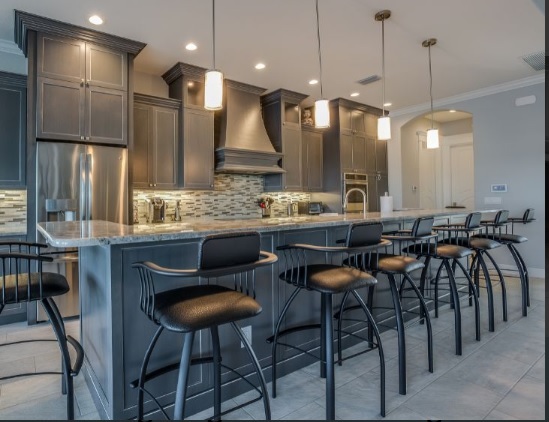
When planning new kitchen cabinetry in Connecticut, integrating hidden power solutions should be a primary objective from the very first draft. The traditional approach of cutting multiple plastic wall outlets into a beautiful stone backsplash is no longer necessary. Instead, power strips can be mounted completely out of sight on the underside of the upper wall units. This provides all the necessary electrical access for blenders and mixers while leaving the expensive stone surface completely uninterrupted and visually flawless.


The appliance garage has evolved from a simple tambour door into a highly engineered concealment system. Modern hardware allows for heavy, solid wood doors to lift vertically or retract smoothly into the side walls, revealing a fully powered, illuminated workspace. This allows heavy items like stand mixers or espresso machines to remain plugged in and ready for immediate use. Once the task is finished, the doors simply close, instantly hiding the appliances and restoring the clean, unbroken lines of the room.


Managing the daily influx of personal electronics requires dedicated structural intervention. Designing a specific drop zone just inside the most commonly used entryway prevents phones and tablets from ending up next to the kitchen sink. A dedicated drawer, fitted with internal electrical outlets and USB ports, serves as a hidden charging station. Devices can be plugged in and securely closed away out of sight, protecting them from spills and keeping the main work surfaces entirely clear of messy cables.


Lighting control has also moved away from banks of confusing wall switches. Smart lighting systems can now be integrated directly into the millwork during manufacturing. Low-voltage wiring can be routed through the cabinet boxes to power subtle under-cabinet LEDs and interior glass-display lighting. These systems can be controlled via a single, discreet smart panel or programmed to respond automatically to the time of day, shifting from bright, cool task lighting in the morning to a warm, ambient glow in the evening without any manual input.


Air management systems have also undergone a massive shift toward structural concealment. Large extractor hoods dominate the visual field and can ruin the quiet elegance of a classic design. The modern alternative involves installing powerful downdraft extractors that sit flush with the cooking surface and only rise when actively needed. The integration of large cooling appliances follows this exact same philosophy. Modern refrigerators can be specified as fully integrated models, meaning they accept custom wooden panels that perfectly match the surrounding millwork. When the doors are closed, the appliance becomes completely invisible, blending smoothly into the continuous run of traditional woodwork.


True luxury in a modern home is defined by what you do not see. The goal is to create an environment where high-performance technology serves the household silently and efficiently, without demanding visual attention. By hiding the mechanics of daily life behind beautifully crafted doors and panels, you preserve the architectural integrity of the space while enjoying every convenience of the digital age.


Conclusion


You do not have to choose between advanced home technology and classic, uncluttered design. By engineering specific storage solutions and hidden power sources, you can conceal your devices and appliances perfectly within beautiful, traditional millwork.


Call to Action


Bring your home into the future without sacrificing its classic charm by working with a team skilled in seamless technological integration.


Visit: https://kitchentraditions.net/

0 Likes 0 Favourites 0 Followers 0 Comments
Answers(0)